
The Issues
The Hidden Costs of Biofouling
Challenges for Shippers
The Cost of Inaction
Rising Fuel Costs & Slower Ships
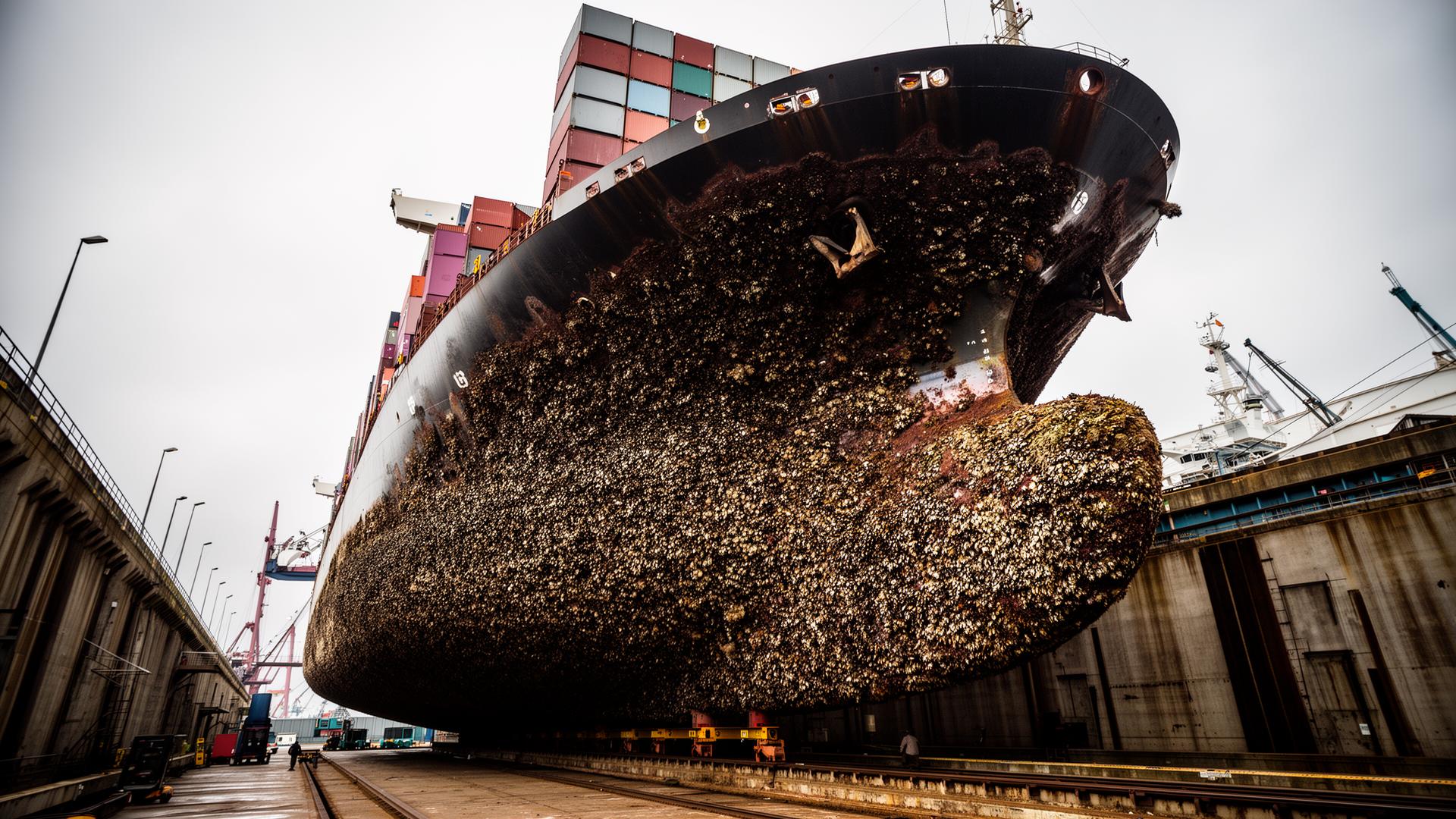
Even a thin layer of biofouling can increase hull drag by up to 20%, forcing vessels to burn significantly more fuel to maintain speed and schedule. For a mid-sized container ship, that translates to millions of dollars in additional fuel costs annually.
As fouling accumulates, the compounding effect on hydrodynamic resistance grows worse — heavy fouling can drive fuel penalties beyond 30%, turning a manageable maintenance issue into a major operational expense.
Additionally, traditional dry-dock cleaning takes vessels out of service for days or weeks, racking up lost revenue alongside the cleaning bill itself.
Compliance Pressure
Tightening Regulations
Regulatory bodies worldwide are strengthening rules on biofouling management and in-water cleaning practices. The EPA's NPDES permitting framework now demands rigorous capture and containment standards that legacy cleaning methods simply cannot meet.
California is setting the precedent for North America, using performance data from advanced capture systems to define the new regulatory baseline. Operators who fail to adapt risk losing access to key ports and facing escalating compliance penalties.
The Cause
Biofouling: a living, growing burden
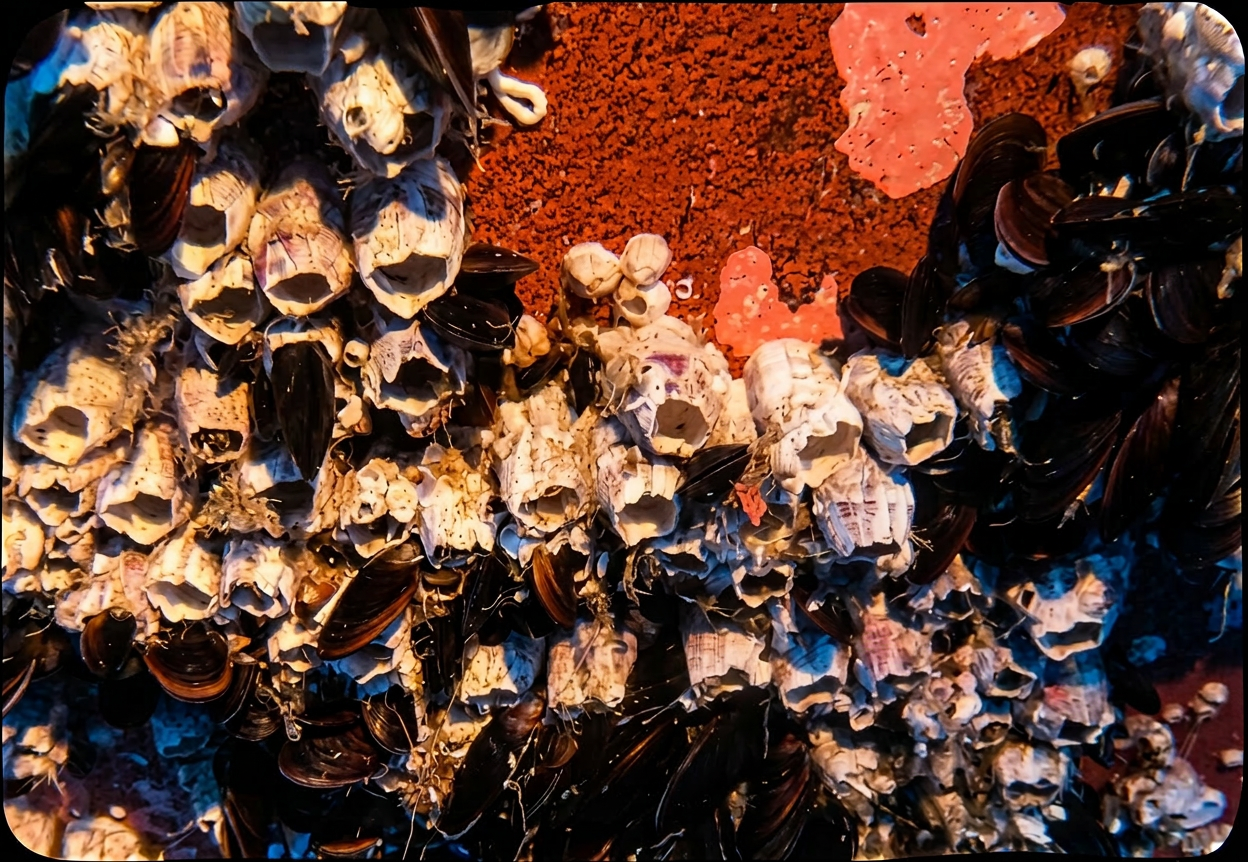
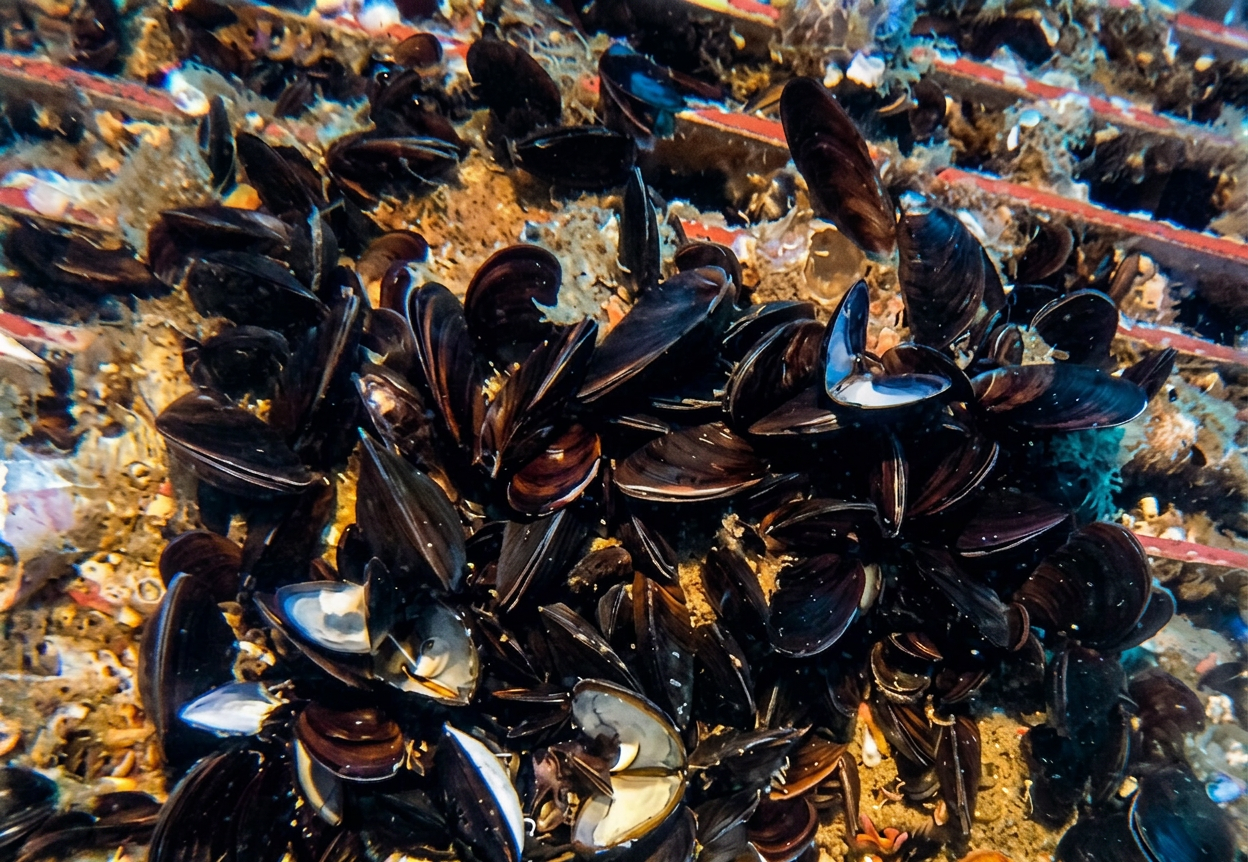
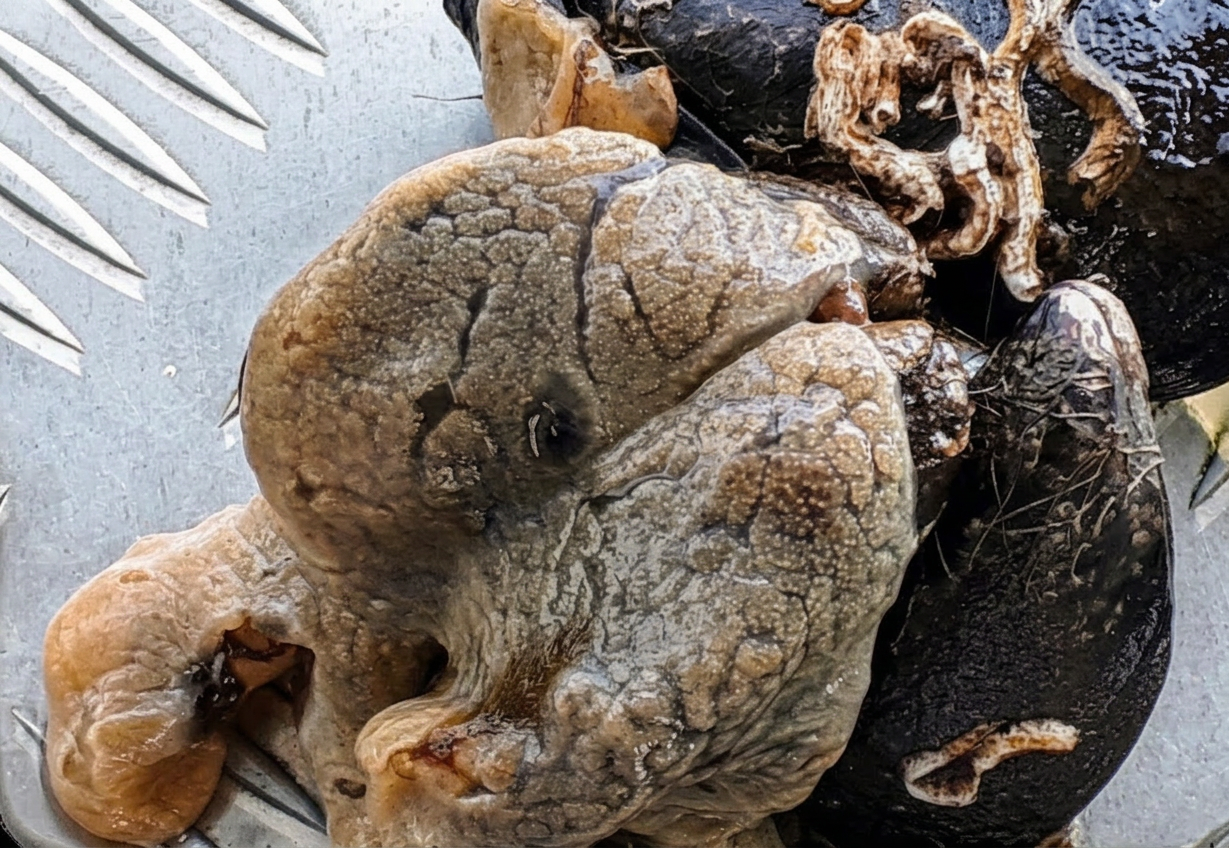
From the moment a vessel enters the water, marine organisms begin to colonize its hull. What starts as a microscopic biofilm quickly evolves into a thick, layered ecosystem of algae, barnacles, mussels, and tubeworms — each adding weight, drag, and risk.
Environmental Threats
Ecological Dangers
Invasive Species
Fouled hulls act as vectors, transporting invasive species across oceans and introducing them into fragile ecosystems where they can outcompete local marine life. Invasive species have destroyed coral reefs, effected irrigations systems and disrupted sources of drinking water.
The economic and environmental damage caused by invasive species runs into the tens of billions of dollars globally, with port authorities increasingly holding operators accountable for the biosecurity risks their vessels pose.
Water Quality
Copper, Zinc & Other Metals
Most antifouling coatings rely on copper and zinc biocides to keep hulls free of organisms. Over time, these metals leach into the water column, accumulating in harbors and estuaries where copper can harm fish, shellfish, and plankton.
In-water cleaning can release paint particles and copper debris that most systems fail to capture completely. Without reliable containment, this waste drifts into surrounding waters, undermining port ecosystems.
"There is no way you can ignore biofouling.
NAHO is the only company in the world that can capture 99% of micro and 95% of macro fouling solids and prove it."