The Machine
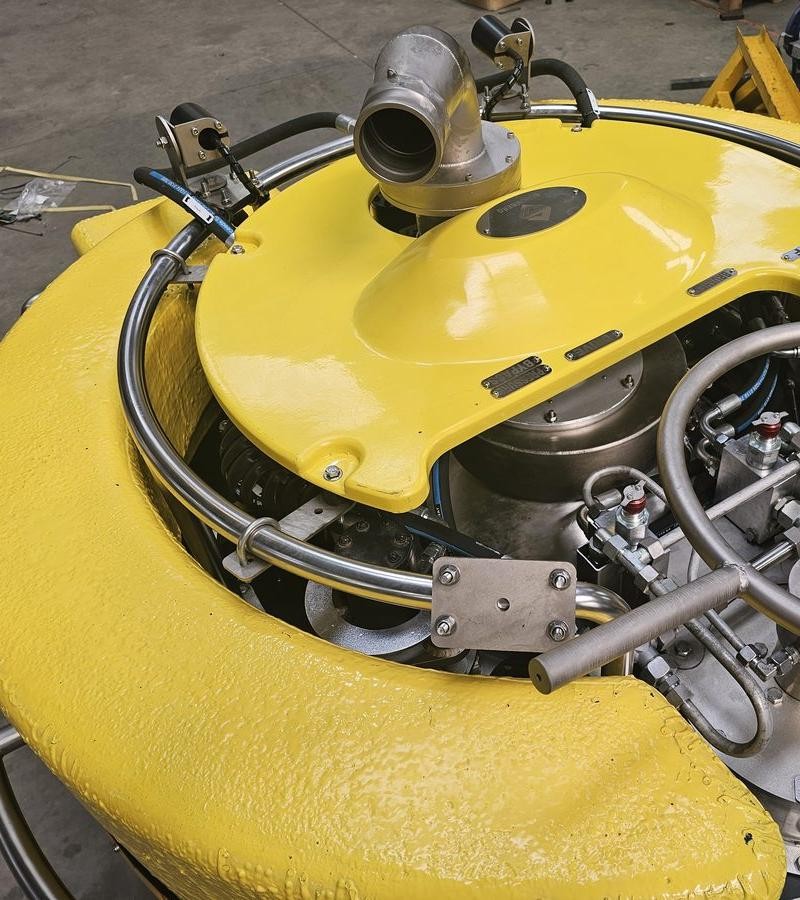
The Vacu-Cart
Clean · Capture · Reclaim · Filter · Treat · Monitor · Verify
Hybrid Vacu-Cart & Reclaim
Not just surface cleaning
The Hybrid Vacu-Cart & Reclaim Filtration System is an integrated in-water hull cleaning and biofouling management platform built for commercial vessels, ports, regulators and environmentally sensitive operations. It is engineered around a measurable chain of control that runs from hull contact all the way to treated discharge.
The real question is not only “can the hull be cleaned?” It is “what happens to the fouling once removed, and how is it environmentally compliant?” The Vacu-Cart is designed to answer both.
Integrated
Cleaning + capture + treatment in one system
Hybrid
Diver-operate + ROV means better coverage and more flexibility.
Verified
Independent EIA testing plus live monitoring
The Hybrid Advantage
One platform. Two operating modes.
Diver-operated mode is used when direct control is required around complex geometry, appendages, niche areas, heavy fouling or turbulent conditions.
ROV-operated mode suits broad, accessible open-hull areas where visibility, curvature and umbilical control allow stable operation.
Hybrid operation improves practical coverage across real vessel conditions instead of relying on one idealised cleaning mode. Real-world hulls are rarely limited to ideal open-hull geometry — ROV-only approaches leave the hardest, highest-risk areas untouched.
How It Works
Hull-Side, Treatment and Verification
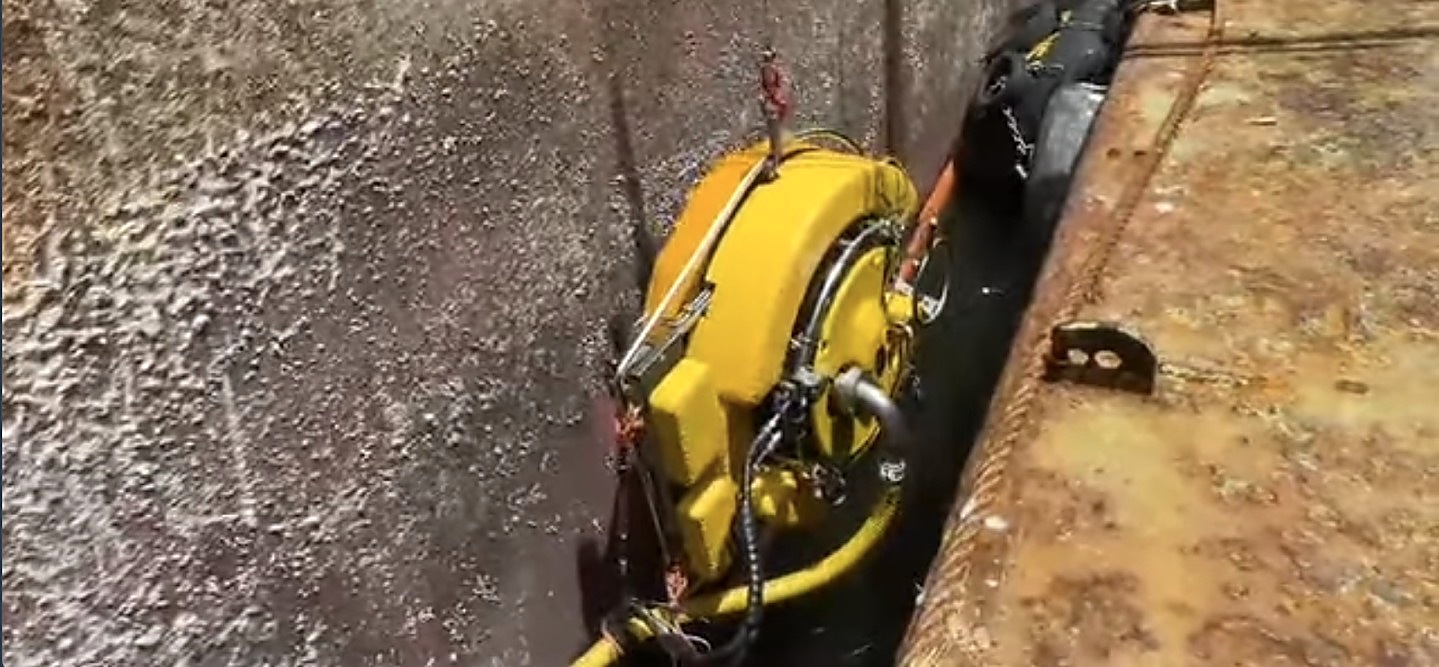
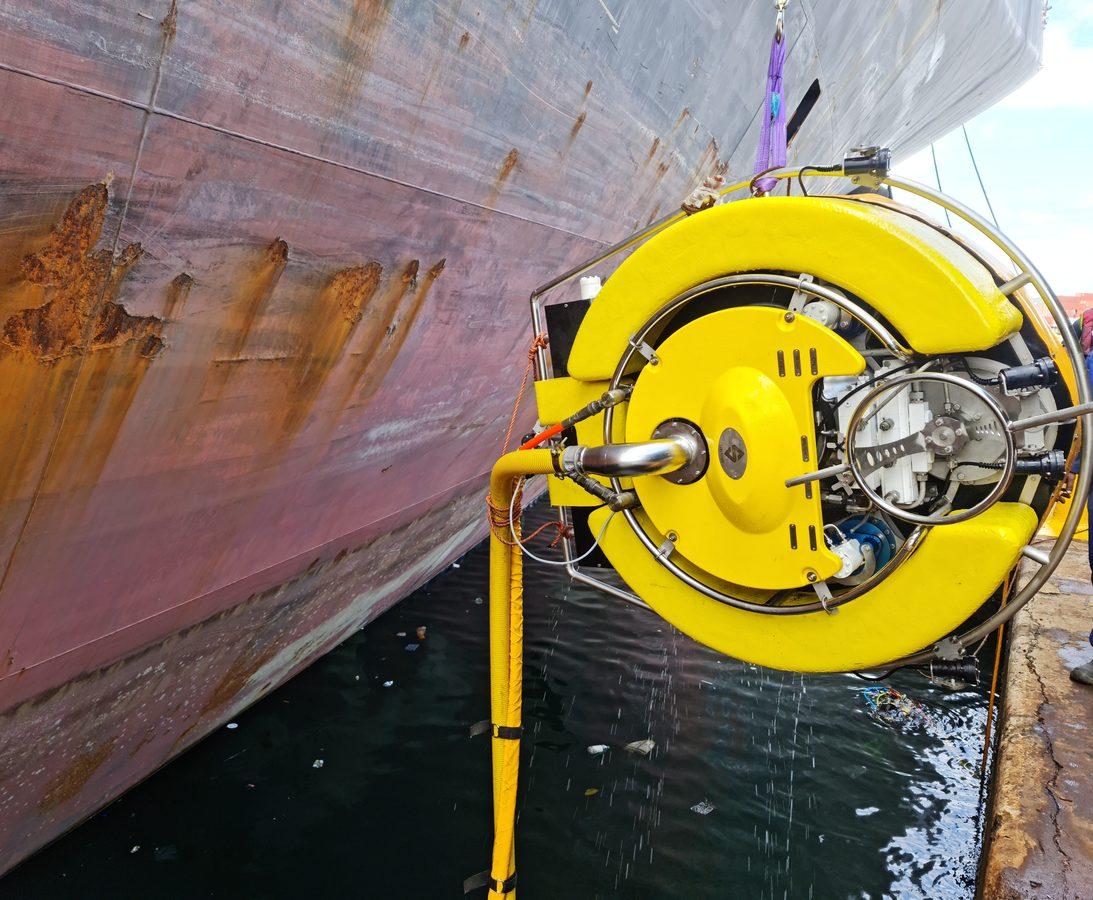
Hull-Side
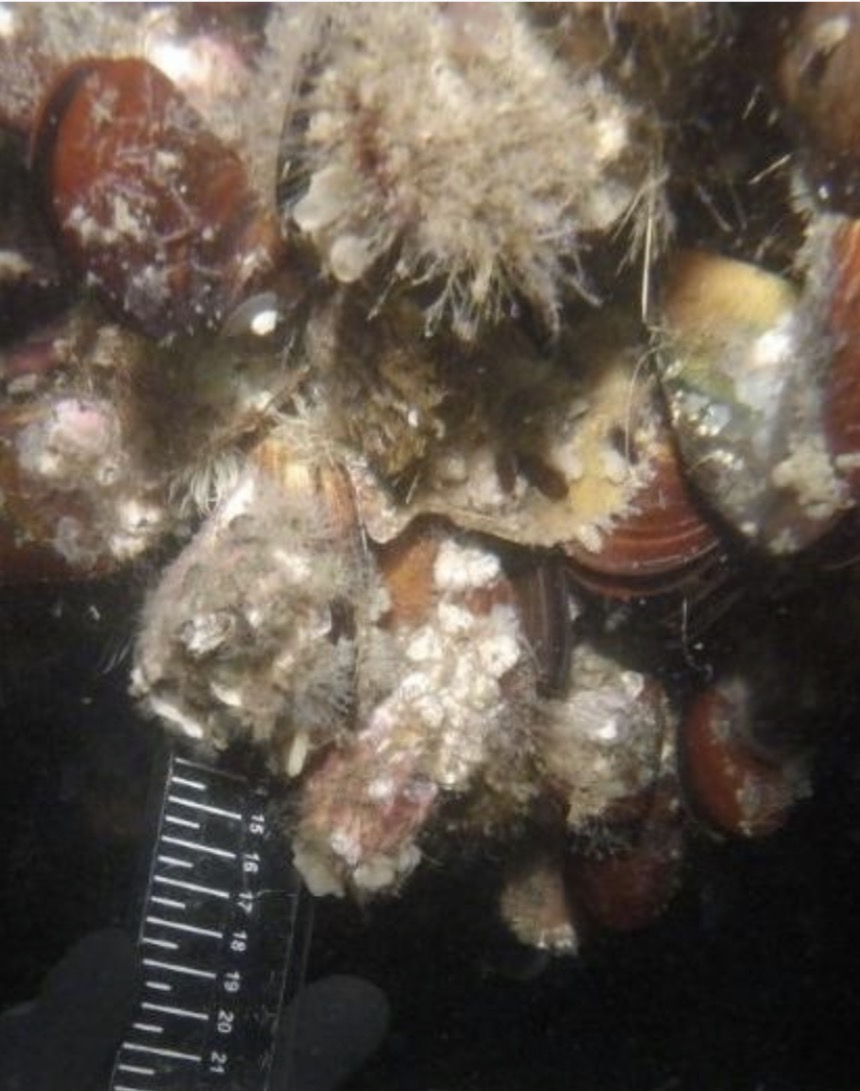
Diver-operated carts and ROV-operated modes work together to remove macrofouling and microfouling from the hull surface. The cleaning interface captures biofouling at source, preventing release into the water column.
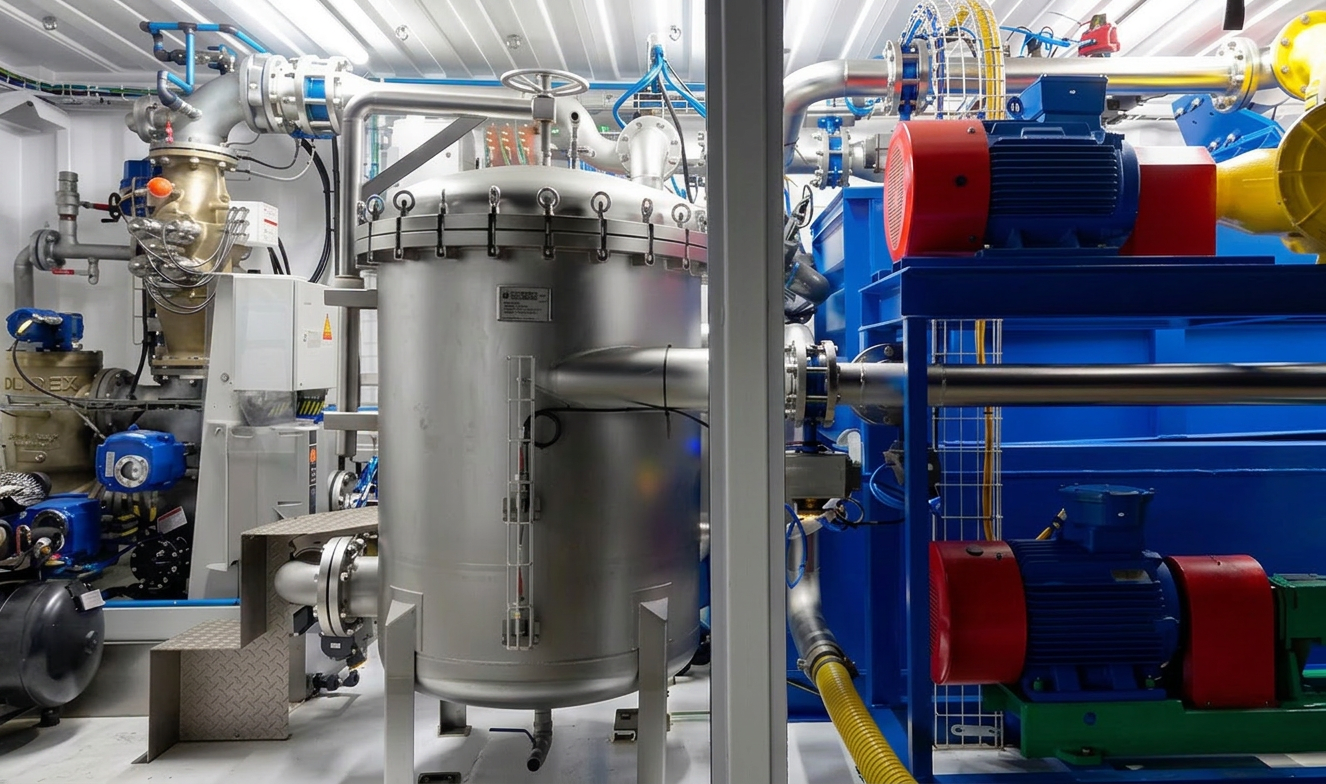
Treatment
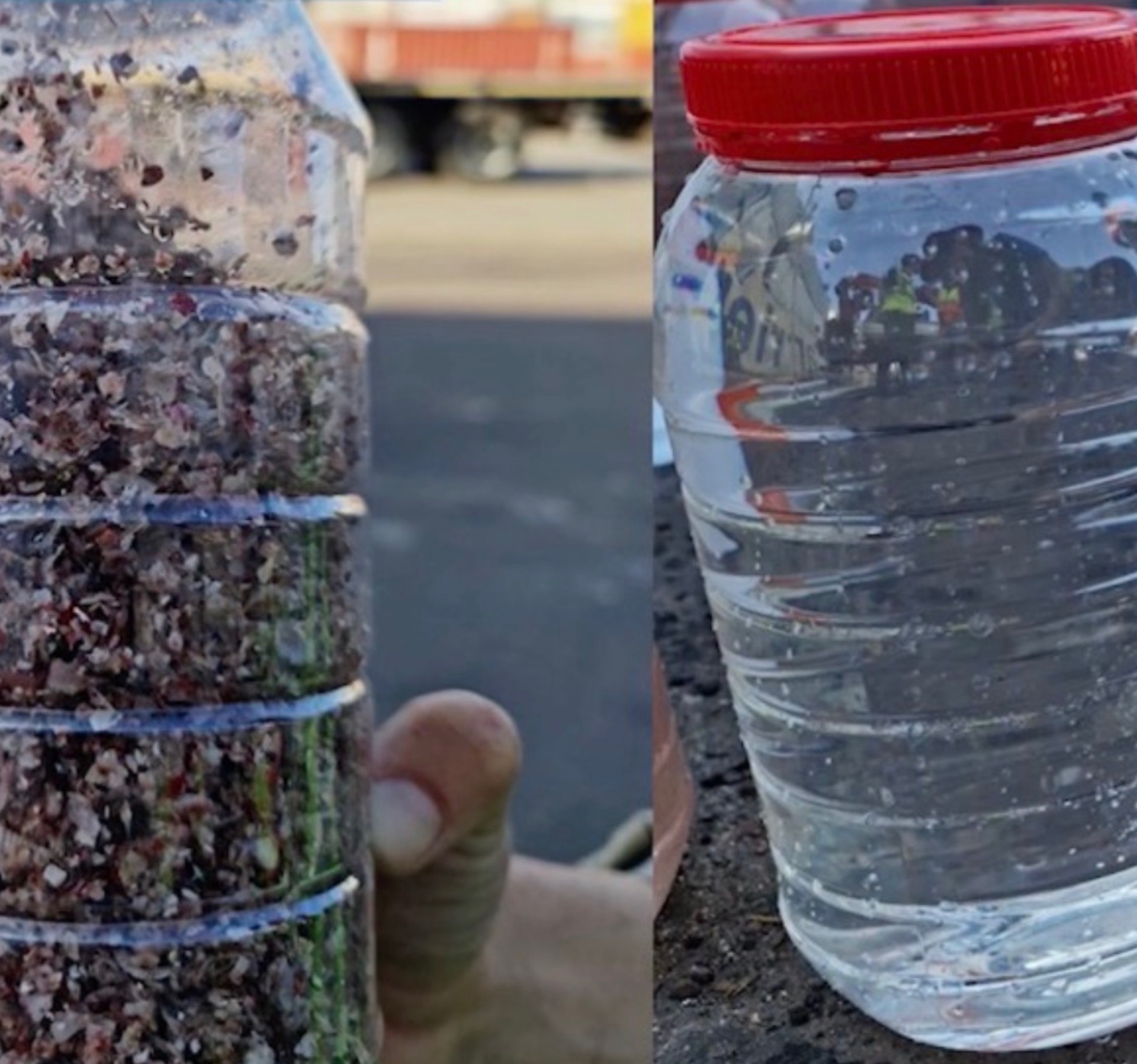
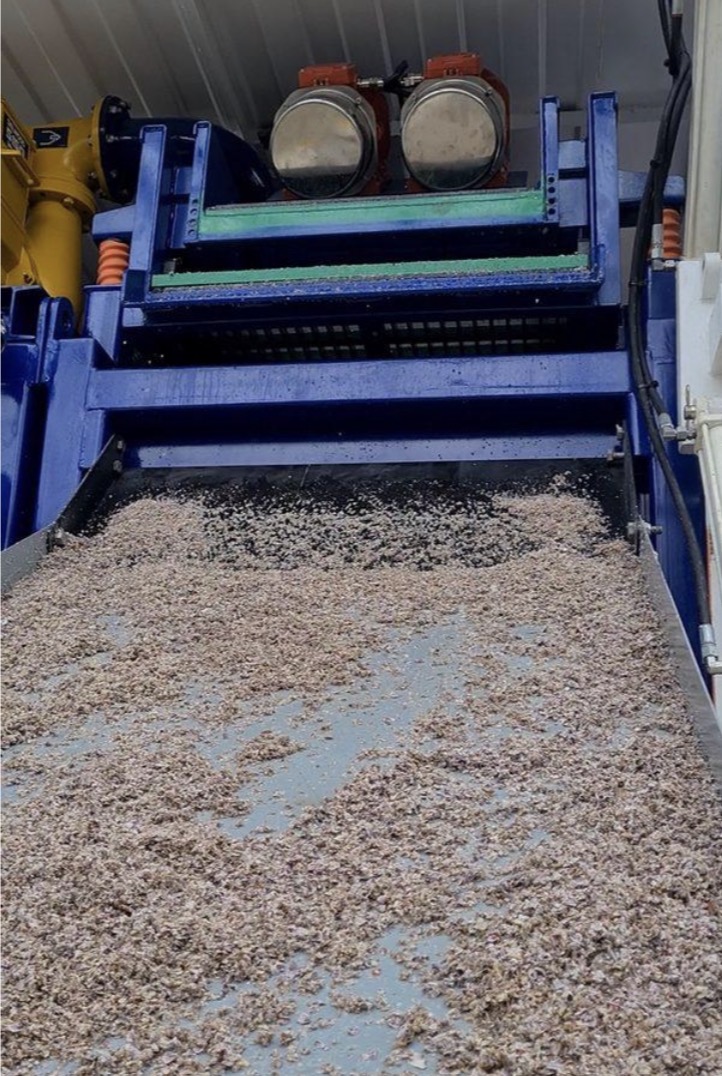
Captured material is transferred to the surface reclaim unit where solids are separated and the water stream passes through staged filtration and UV treatment. Copper, zinc and other coating residues are captured, and biological treatment neutralizes invasive species without chemicals.
Verification
Operational parameters, turbidity, water quality and system status are observed and logged in real time. Time-stamped records, alarms and interlocks provide documented evidence for permit applications, port review and compliance reporting.
The Environmental Control Chain
Eight monitored, reviewable stages
Phase 01
Hull-side
Removal
Controlled mechanical removal of fouling from the hull surface.
Capture at Source
Removed fouling is captured at the cleaning interface, not released.
Reclaim Transfer
The recovered stream moves through reclaim hose to surface filtration.
Phase 02
Treatment
Solids Separation
Micro and macrofouling solids are separated out of the water.
Staged Filtration
Progressive filtration reduces suspended solids and particulates.
Including capture of copper/zinc and other metal and coating residues.
UV Treatment
Filtered water receives an additional biological treatment stage.
UV exposure kills and neutralizes the DNA of invasive species so there is no chance of contamination.
Phase 03
Verification
Live Monitoring
Operational and water-quality parameters are observed during cleaning.
Controlled Discharge
Discharge occurs only after passing through the full treatment process.
This is the difference between a conventional cleaning process and an accountable environmental process.
Live Monitoring & Verification
Every operation is observed, logged and reviewable
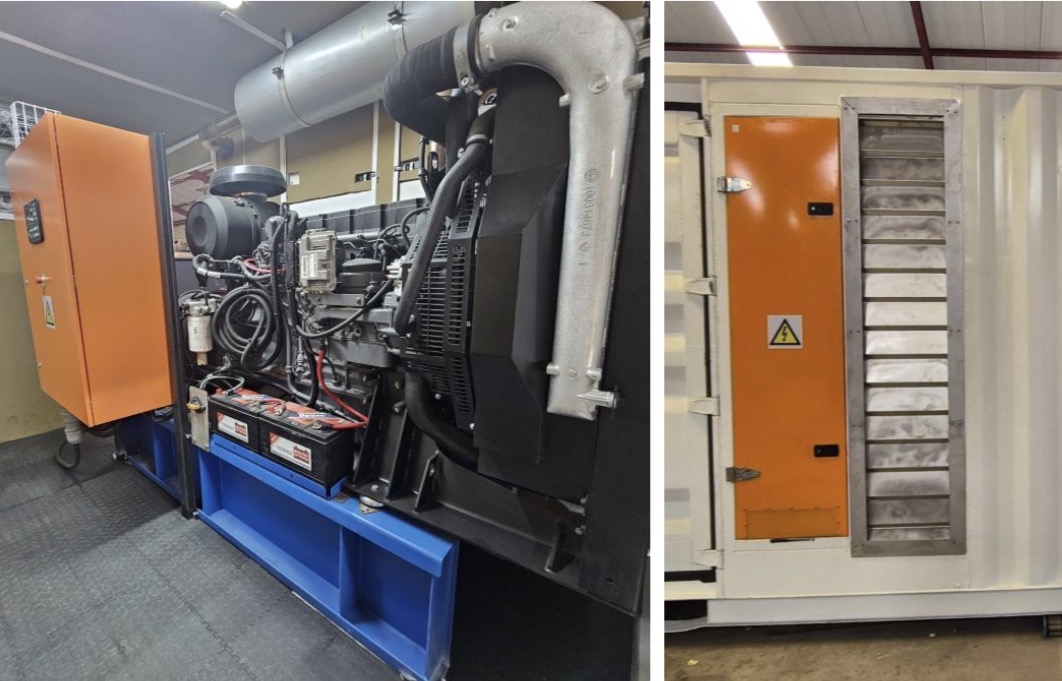
Turbidity, water-quality parameters, pressure differential and overall system status are observed in real time. PLC/HMI control, alarms, interlocks and time-stamped logs make every operation reviewable — supporting permit applications, port review and compliance reporting.
Independent environmental impact assessment testing, combined with live operational data, means the result is not only a clean hull but documented evidence of how it was achieved.
See It in Action
The Vacu‑Cart & Reclaim System
Hull Optimization
In-Water Cleaning & Capture
"Clean hull. Controlled process. Verified performance."